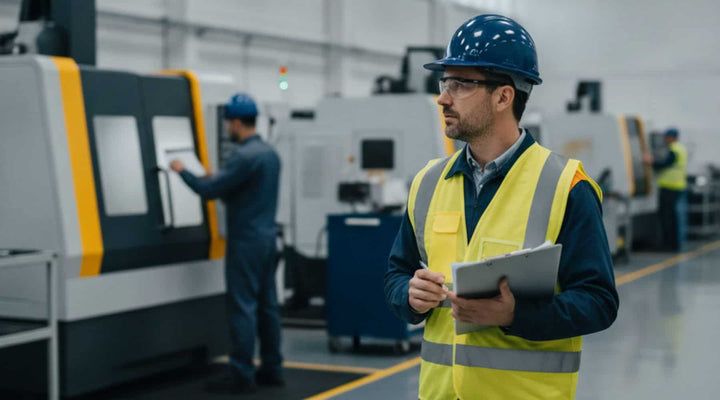
The biggest industrial safety equipment trends for 2026 are regulation-driven. A federal PPE fit rule, active heat-illness enforcement, and stricter hand and hi-vis standards are changing what industrial buyers demand. Distributors who stock to those standards, and can explain them, will hold the accounts. Those still selling on price alone will lose them.
I have watched this shift up close. When Caco Abbo Group secured the exclusive General Electric (GE) PPE license across the Americas, most distributor conversations started with price per case. Over the last two buying cycles, the first question changed. Now partners ask about fit ranges, cut ratings, and whether a product label will survive an audit. That change is the story of 2026, and it runs through every category below.
Fit is now a legal requirement, not a preference
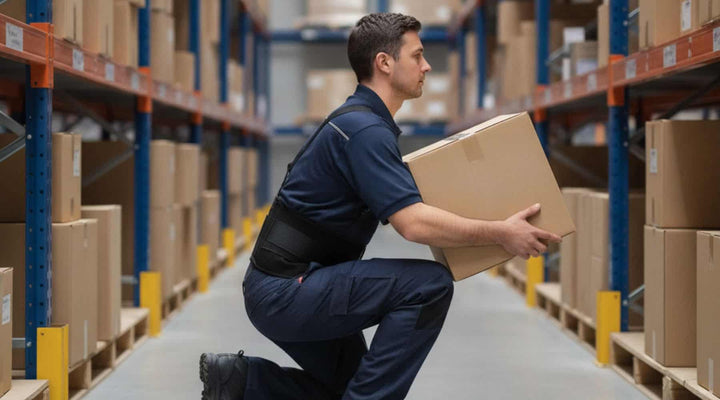
For years, "one size fits most" was an acceptable answer on a gloves or vest purchase order. It no longer is. On December 11, 2024, OSHA finalized a rule amending 29 CFR 1926.95, effective January 13, 2025, that requires construction PPE to properly fit each employee. Poorly fitting protection is now a citable hazard.
For distributors, this reshapes the order book. A single SKU per line will not cover a crew that includes smaller-framed and larger-framed workers. Buyers running construction accounts need size-inclusive ranges, including women's-fit gloves, vests, and harnesses. Stock the range, label the sizing clearly, and you become the easy compliant choice. Miss it, and your customer's safety manager will find a supplier who did not.
Heat protection has become its own product category
Heat is the fastest-moving area of safety enforcement. OSHA has run a National Emphasis Program on outdoor and indoor heat hazards since April 2022, and on August 30, 2024, the agency published a proposed federal heat standard that would require employers to build heat injury and illness prevention plans. Whether or not the final rule lands in 2026, buyers are preparing now.
That preparation shows up as purchase orders. Cooling vests, breathable hi-vis fabrics, hydration support, and heat-reducing head protection are moving from seasonal afterthoughts to planned inventory. Our own GE safety helmets built with Koroyd technology exist because customers asked for cooler head protection, not just stronger head protection. Distributors who build a defined heat category before spring buying will not scramble when a July heat wave triggers a rush of orders.

Buyers now spec hand protection by rating, not by feel
Hand protection is the clearest example of buyers getting more technical. Purchasing teams increasingly specify gloves by standardized performance level rather than general description. The ANSI/ISEA 105 cut scale runs from A1 through A9, and the newer ANSI/ISEA 138 standard rates back-of-hand impact protection on a scale of 1 to 3.
This is an opportunity, not a hurdle. A distributor who can map a job task to the correct cut or impact level sells expertise, not just product. Glass handling, sheet metal, and demolition each call for different ratings, and a buyer who trusts your guidance stops shopping around. Carry the full range, from general-purpose gloves through cut-resistant and impact-resistant lines, and label each with its rating so buyers can self-select with confidence.

Compliance labeling separates real hi-vis from risk
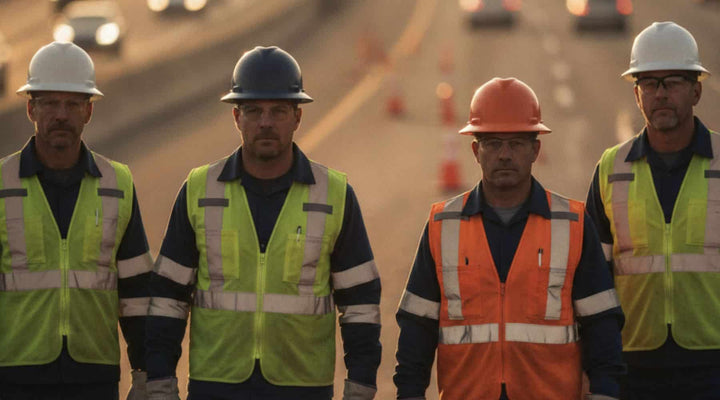
High-visibility apparel looks simple until an accident investigation asks whether the garment met ANSI/ISEA 107-2020, the standard for high-visibility safety apparel. Plenty of low-cost hi-vis sold online carries an "ANSI Class 2" claim on a label that lacks the required compliance details. That gap becomes the buyer's liability, and it is quietly reshaping sourcing decisions.
Distributors who guarantee genuinely compliant, properly labeled hi-vis win the accounts that care about audits, which increasingly means all of them. Keep documentation on hand, know the difference between Type R and Type O garments, and stock verified hi-vis rather than the cheapest available lot. The margin on trust beats the margin on the lowest unit price, especially when a customer's compliance record is on the line.
Standards reference: what to stock against in 2026
| Standard or Rule | What It Governs | 2026 Signal for Distributors |
|---|---|---|
| 29 CFR 1926.95(c) | Proper PPE fit in construction | Stock size-inclusive and women's-fit ranges across gloves, vests, and harnesses. |
| OSHA Heat NEP + Proposed Heat Rule | Heat injury and illness prevention | Build a defined heat category with cooling vests, breathable high-visibility apparel, and heat-reducing helmets. |
| ANSI/ISEA 105 | Cut resistance (Levels A1–A9) | Label gloves by cut-resistance level and carry the full range for different job tasks. |
| ANSI/ISEA 138-2019 | Back-of-hand impact resistance (Levels 1–3) | Add impact-rated gloves for oil & gas, mining, and heavy construction customers. |
| ANSI/ISEA 107-2020 | High-visibility safety apparel | Maintain compliance documentation and avoid uncertified online-grade hi-vis products. |
| ANSI/ISEA 121-2023 | Dropped-object prevention and tool tethering | Monitor this growing category for at-height and overhead work applications. |
Brand trust is a purchasing signal, not a nicety
The last trend ties the others together. When 5,070 workers died on the job in 2024, a slight decrease from 5,283 in 2023 per the Bureau of Labor Statistics, and transportation incidents remained the leading cause, safety buyers stopped treating equipment as interchangeable. They want a documented chain of quality behind every SKU.

That is why licensed and branded lines carry weight in B2B purchasing now. A buyer choosing GE PPE is buying a name that stands behind the standard, and a distributor who stocks it inherits that trust. Private-label and unbranded product still has a place, but the safety manager signing off on a large order increasingly wants a brand, a rating, and paperwork that holds up. Distributors who supply all three become partners rather than vendors.
"The distributors who will win in 2026 are not the ones with the lowest price. They are the ones who can answer a safety manager's questions in one call, because they actually know the standard behind the product they sell."
Joel Abbo, CEO, Caco Abbo Group
Frequently asked questions
What are the most important safety equipment trends for distributors in 2026?
The four that matter most are the OSHA construction PPE fit rule effective January 2025, active heat-illness enforcement and pending federal rulemaking, rating-based hand protection buying under ANSI/ISEA 105 and 138, and stricter hi-vis compliance under ANSI/ISEA 107-2020. Each rewards distributors who stock to the standard.
How does the new PPE fit rule affect what I should stock?
The rule at 29 CFR 1926.95(c) requires construction PPE to fit each worker properly. Carrying a single size per line no longer covers a mixed crew. Stock size-inclusive ranges, including women's-fit gloves and vests, so your construction accounts stay compliant without hunting for a second supplier.
Why are buyers asking for cut and impact ratings now?
Safety managers document their protection choices to defend them in audits and incident reviews. ANSI/ISEA 105 grades cut resistance from A1 to A9, and ANSI/ISEA 138 grades impact from 1 to 3. Specifying by rating removes guesswork, so distributors who label and explain ratings win technical buyers.
Is cheaper hi-vis apparel a real compliance risk?
Yes. Many low-cost hi-vis garments claim an ANSI class without carrying the label details ANSI/ISEA 107-2020 requires, which can make them non-compliant. If that garment is worn during an incident, the liability lands on the employer. Verified, properly labeled hi-vis protects both the worker and the account.
Stock for the standards buyers actually cite
The distributors who grow in 2026 will carry rated, compliant, and properly sized safety equipment, and back it with the knowledge buyers need. Caco America supplies exactly that range, from GE PPE to hand tools, with the documentation industrial accounts require. Explore the full catalog or apply to become a distributor at cacoamerica.com, and stock for the year safety buying got serious.