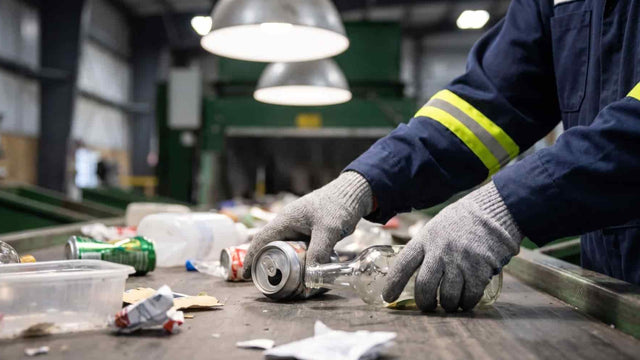
Nitrile coated gloves are knit work gloves dipped in synthetic nitrile rubber, and they make a strong default wherever hands meet oil and abrasion. At CACO America, we match the coating to the surface: foam nitrile for light oil, smooth nitrile for wear, PU for dry precision work, and crinkle rubber or latex for wet grip.
I joined my family's business in 1992, and coated knit gloves sit at the center of the hand protection line we carry today. We supply distributors in more than 38 countries under our exclusive General Electric (GE) PPE license. This guide covers reusable coated work gloves. If you want the disposable exam-style glove instead, our nitrile gloves guide covers that category.
How a coated work glove is built
Every coated glove has two parts. The liner is a knit shell, usually nylon or polyester, sometimes blended with spandex for stretch. The coating is a layer of rubber or polymer applied by dipping the liner into a liquid bath, which is why nitrile dipped gloves and nitrile coated gloves are one product sold under two names.
Where the dip stops matters as much as what the bath holds. A palm-dipped glove has coating on the palm and fingers and a bare knit back, so heat and sweat can escape. A fully dipped glove is coated over the whole hand, which keeps dirt and liquid off the knuckles but traps more warmth.
Liner thickness is described by gauge. Our product pages explain it simply: gauge counts the needles per inch on the knitting machine, and a higher gauge gives a thinner liner with more dexterity. A 15-gauge liner feels close to bare fingers. A 10-gauge liner is thicker and more cushioned, which suits heavy handling better than precision work.
The coating families, one by one
Smooth nitrile
Smooth nitrile is a solid, nonporous synthetic rubber film. It resists abrasion well and wipes clean easily, so it suits field and repair work that grinds through gloves. Oil is its weak spot. Our GE PPE GG215 smooth nitrile glove pairs this coating with a 13-gauge polyester liner.
Foam and micro foam nitrile
Foam nitrile is the same base rubber, processed so the cured coating carries tiny open cells. The common manufacturer explanation is that those cells pull light oil away from the contact point, much like a sponge, which keeps the palm gripping instead of hydroplaning. Our product pages describe nitrile as latex-free and resistant to oils, greases, and fuels, and they note that the foam finish breathes. Micro foam is a finer version of the same idea, giving a softer feel and a slightly thinner coat.
Polyurethane (PU)
PU is the thinnest and lightest of the common palm coatings. It leaves almost no bulk on the fingertips, which is why assembly lines and warehouse pickers like it. PU grips best on dry, clean surfaces. It is a poor match for oily or soaking-wet parts.
Latex and crinkle rubber
Latex coated gloves use natural rubber latex for a stretchy, high-grip coating, and a crinkle finish adds raised channels that push water away from the contact point. That makes crinkle coatings popular for wet masonry and pipe work. The tradeoff is allergy. OSHA's latex allergy overview estimates that 8 to 12 percent of health care workers are latex sensitive, and it notes that some synthetic rubbers called "latex" lack the natural rubber proteins behind the reaction. NIOSH's latex allergy prevention guide lists symptoms from skin rash and hives to asthma, and, rarely, shock.
Grip in dry, oily, and wet conditions
Think of grip as a question about what sits between the glove and the part.
On dry surfaces, almost any coating works, so dexterity decides. PU and thin micro foam nitrile win here because the fingertips stay sensitive enough to pick up a screw.
On oily surfaces, foam nitrile is the usual pick. A sealed coating like smooth nitrile or PU lets an oil film sit on top, and the part slides. Foam gives that film somewhere to go.
On wet surfaces, texture matters most. Crinkle rubber channels drain water away so the palm can bite. Our GG209 product page says exactly that, and it also says the coating is not waterproof. When hands must stay dry, a double-dipped glove with a waterproof layer is the better tool.
Mixed conditions call for a compromise. A fully dipped foam nitrile glove handles mud and splash, plus a little light oil, in one pair, which explains its popularity in gardening and site cleanup.

Breathability, dexterity, and durability
Breathability comes mostly from coverage. A palm-dipped glove with a bare knit back runs cooler than any fully dipped glove, whatever the coating. Foam finishes add a little airflow on top of that.
Dexterity follows gauge and coating thickness. A 15-gauge liner with a PU or micro foam palm offers the most finger feel; a 10-gauge liner under crinkle rubber gives up some feel for cushioning.
For durability, look at the EN 388 code on the product page. EN 388 is the European standard for gloves against mechanical risks: abrasion, blade cut, tear, puncture, and, where tested, impact. Abrasion is the first digit. A level 4 sample survived 8,000 rubs on the test machine, while level 3 takes 2,000 and level 2 takes 500.

Quick-pick table: coating by job
Use this as a starting point, then confirm the fit against your own hazard assessment.
| Job or Condition | Best Coating | CACO Pick | What to Check |
|---|---|---|---|
| Small-part assembly, dry | Polyurethane (PU) | GG205 PU Dipped Gloves | 15-gauge nylon liner, EN 388 3121X; not cut resistant. |
| Automotive parts with light oil | Micro foam nitrile, palm dipped | GG217 Micro Foam Nitrile Gloves | 15-gauge nylon and spandex, EN 388 4131X, sizes S to 2XL. |
| Boxes, bins, and parts that need a secure hold | Micro foam nitrile with palm dots | GG216 Dotted Palm Gloves | Same liner and rating as GG217, sizes M to XL. |
| Wet, dirty site work and gardening | Foam nitrile, fully dipped | GG222 Fully Dipped Foam Nitrile Gloves | Coating covers the back of the hand; 15-gauge polyester and spandex. |
| Heavy, rough loads like block, pipe, and lumber, wet or dry | Crinkle rubber | GG209 Crinkle Rubber Gloves | 10-gauge liner, EN 388 2142X; not waterproof; check latex status. |
| Washing, concrete, and rain where hands must stay dry | Double-dipped latex | GG211 Waterproof Double Dipped Gloves | Latex coating; avoid for latex-sensitive workers. |
| Crew member with a latex allergy | Nitrile or PU | GG217 or GG205 | Nitrile coatings are listed as latex-free. |

How the five GE PPE picks compare
All five gloves below come from the GE PPE line we carry, and every spec here comes from the product pages and the spec sheets linked from them.
- Gray PU palm on a 15-gauge gray nylon liner, rated EN 388 3121X, sizes S to 2XL. The page lists assembly, warehousing, and automotive work, and states plainly that it is neither cut resistant nor touchscreen compatible.
- Black micro foam nitrile on a 15-gauge nylon and spandex liner, EN 388 4131X, sizes S to 2XL. Built for light oil and all-day handling.
- The same micro foam coating and rating as the GG217, with nitrile dots on the palm for extra hold. Sizes M to XL.
- Black foam nitrile over the whole hand on a 15-gauge polyester and spandex liner, EN 388 4131X, sizes M to XL. It shields the back of the hand from dirt and liquids.
- Indigo crinkle rubber on a 10-gauge polyester liner, EN 388 2142X, sizes S to 2XL. Its page lists the coating as crinkle rubber, and its header calls it a crinkle latex grip, so confirm the material before issuing it to anyone with a latex sensitivity.
What makes a good coated work glove
Start with the surface, as the table shows. After that, a few checks separate a glove that lasts the shift from one that gets tossed by lunch.
Fit comes first. A coated glove that is too loose folds at the palm and loses grip, and one that is too tight splits at the crotch of the thumb. Our work glove size chart walks through measuring by hand length.
Check the cuff as well. All five gloves in this guide use a knit wrist, and their product pages and spec sheets describe a longer cuff for added wrist coverage. A snug cuff keeps grit out and helps the glove stay put when hands get wet.
Read the EN 388 code for wear, and know what it leaves out. A general purpose coated glove is a grip and abrasion tool. If the job involves sharp edges, our cut vs puncture resistant gloves guide compares the two ratings. For chemicals, follow the safety data sheet.
OSHA's hand protection standard asks employers to base glove selection on the task, conditions present, duration of use, and the hazards identified. A coating choice is part of that evaluation.
Finally, replace on condition. Our pages say to swap a pair once the coating or dots wear through.
Stocking coated gloves for crews and accounts
Beginners usually buy one glove for everything. Experienced safety buyers split the order by surface: a PU or micro foam glove for dry handling, a foam nitrile glove for oily work, and one wet-grip option for outdoor crews. In my experience, that two- or three-glove program covers most general industry accounts.
Budget buyers should compare cost per shift instead of cost per pair. A cheap glove that wears through by lunch can cost more over a week than a pair with a higher abrasion rating.
Plan for the seasons too. Add crinkle or fully dipped styles ahead of the wet months, and lean on palm-dipped gloves with breathable backs when the heat arrives.
For distributors, coated gloves move as consumables. Hold depth in M, L, and XL first, then add the tails. For volume orders, see our guide to buying bulk work gloves.
"When a crew tells me a glove is junk, my first question is what they were holding. Foam nitrile on wet block or crinkle rubber on tiny screws will disappoint anybody. Put the right coating on the right surface and the same glove earns its keep." Joel Abbo, CEO, Caco Abbo Group
Want to compare every coating side by side? Browse our general purpose gloves and build a mixed order for each crew on your list.
Frequently asked questions
What are nitrile coated gloves used for?
Nitrile coated gloves are reusable knit work gloves with a nitrile rubber layer on the palm or the whole hand. Crews use them for automotive parts, manufacturing, material handling, maintenance, and gardening. Nitrile resists oils, greases, and abrasion, so it suits jobs where a plain knit glove would soak through or wear out quickly. They are general purpose gloves and are not a substitute for cut-rated or chemical-rated gloves.
What is the difference between nitrile dipped and nitrile coated gloves?
In practice, the two terms describe the same product. Gloves are coated by dipping the knit liner into liquid nitrile, so sellers use "dipped" and "coated" interchangeably. The more useful distinction is coverage: palm dipped gloves leave the back of the hand bare for airflow, while fully dipped gloves cover the whole hand for protection from dirt and liquid.
Are PU coated gloves better than nitrile coated gloves?
Neither is better across the board. PU coated gloves are thinner and give the best fingertip feel for dry, clean parts, which makes them popular in assembly and electronics. Nitrile, especially foam nitrile, holds up better with oil and grease. In our GE PPE range, the foam nitrile gloves also carry a higher EN 388 abrasion level than the PU glove, 4 against 3. Choose PU for dry precision work and nitrile when surfaces get oily.
Are latex coated gloves safe for everyone?
No. Natural rubber latex contains proteins that can cause allergic reactions, and OSHA estimates that 8 to 12 percent of health care workers are latex sensitive. Reactions range from skin rash to asthma and, rarely, shock. If anyone on the crew has a latex sensitivity, issue nitrile or PU coated gloves instead and keep latex-coated styles out of shared bins.
Which glove coating has the best wet grip?
Crinkle textured rubber and sandy or foam finishes grip best on wet surfaces, because their texture channels water away from the contact point. A smooth coating tends to slide on wet parts. Keep in mind that wet grip and waterproofing are separate features. A crinkle palm grips wet block well but can still let water reach the hand, so choose a double-dipped glove when hands must stay dry.
How long do coated work gloves last?
Glove life depends on the coating, the surface, and how many hours the glove sees. Abrasion ratings give a useful comparison: under EN 388, level 4 abrasion means a sample survived 8,000 rubs on the test machine. Replace a pair when the coating or palm dots wear through, when the liner tears, or when the grip no longer holds.
Can you wash coated work gloves?
Care rules vary by product, so read the label or product page before washing anything. Our GG209 page, for example, advises cleaning the gloves after use and storing them in a dry, cool place away from direct sunlight. Whatever the care method, inspect each pair before the shift and retire any glove whose coating has worn through or started to peel.