A PPE kit for a new hire holds the protection your hazard assessment requires for that job. For most trades that means eye and hearing protection and work gloves, plus a hi-vis vest near traffic and a helmet where heads are at risk. CACO America builds safety kits by trade, and you pick each sized item at checkout.
I joined our family business in 1992. Since then we have earned the exclusive General Electric (GE) PPE license across the Americas and the Caribbean, and we supply distributors in more than 38 countries. My view after 30-plus years is simple. A worker who starts the shift with gear that fits wears it.
Why kits shorten onboarding
Loose PPE turns a first morning into a scavenger hunt. One person searches for safety glasses in the back office while another digs through a bin for earmuffs that might still seal. The gloves on the shelf come in one size.
A kit replaces that with one order per trade. The buyer picks sizes at checkout, so each box arrives ready for one specific person.
Timing matters too. OSHA requires each employee to show they understand their PPE training, and can use the gear properly, "before being allowed to perform work requiring the use of PPE" under 29 CFR 1910.132(f)(2). Training goes faster when every trainee holds the exact gear they will wear.
Distributors see the same effect from the other side of the counter. A trade kit is a repeatable line item, and it fits naturally into the programs described in our piece on how safety distributors build safety culture.
What OSHA expects before the kit goes out
Start with your own hazard assessment. Under 29 CFR 1910.132(d), employers assess the workplace, select PPE for the hazards found, tell each affected employee what was selected, and choose PPE that properly fits each one. A written certification then records the workplace evaluated and the date, signed by the person certifying. Our PPE hazard assessment guide walks through that process.
Training before the first task
Paragraph (f)(1) lists five training topics: when PPE is necessary, what PPE is necessary, how to don, doff, adjust, and wear it, its limitations, and its care, useful life, and disposal.
Who pays
Paragraph (h) makes the employer pay for required PPE. The exceptions are narrow: non-specialty safety-toe footwear and prescription safety eyewear the worker may wear off site, everyday clothing, and items used only for weather, such as winter coats. Employers also pay for replacements unless the worker lost or intentionally damaged the gear. Construction follows the same structure in 29 CFR 1926.95(d).
PPE kit contents by trade
Items and sizes below match the live kit pages.

Hi-vis, road work, and outdoor construction
The Core Hi-Vis Safety Protection Kit holds four items: the GV078G High Visibility Safety Vest, the GG221 nitrile dipped work gloves, the GE210CAF protective safety glasses, and the GM452HV High Visibility Protective Earmuff. The vest is rated ANSI/ISEA 107-2020 Class 2, Type R, the gloves carry an ANSI A3 cut level, and the earmuff is rated 27 dB NRR. Vest sizes run M to 2XL; glove sizes are M, L, and XL.
Industrial and manufacturing floors
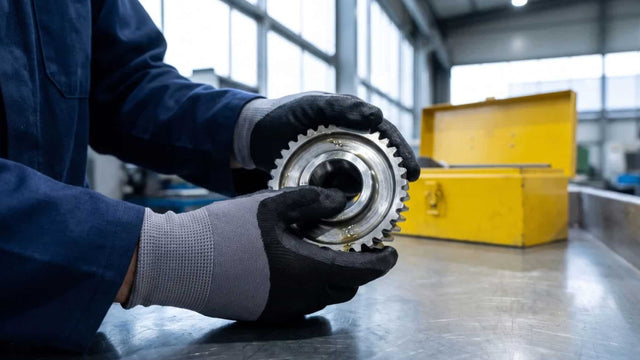
The Industrial Protection Kit pairs the GG244SC Foam Nitrile TPR Impact Gloves (13-gauge liner, ANSI Cut Level 5, TPR impact protection) with the GV082GM surveyor vest, the GE111CAF 11S Series spoggles, and the same 27 dB NRR hi-vis earmuff. Gloves come in S to 2XL and the vest in M to 2XL.
Helmet-required work
The Premium Performance Helmet Kit combines the GH400 Safety Helmet with Koroyd, the GH600 clear eye shield, and the GM453 cap-mounted earmuff rated 25 NRR. You choose a helmet color from eight options. The GH400 page lists it as Type 1, Class C, so electrical crews should look at Class E models in our safety helmets range.
Trade-by-trade PPE kit planner
Use this as a starting map, then adjust it to your assessment.
| Trade | Core Kit Items | Add-ons to Consider | What to Check |
|---|---|---|---|
| Road Work, Outdoor Construction | Core Hi-Vis Kit: Class 2 Type R vest, A3 gloves, safety glasses, 27 dB NRR earmuff. | Safety Helmets, Hi-Vis Safety T-Shirts | Glove sizes stop at XL; add a helmet if the assessment calls for one. |
| Manufacturing, Assembly, Material Handling | Industrial Kit: A5 impact gloves, surveyor vest, spoggles, 27 dB NRR earmuff. | Cut Resistant Gloves, Earplugs | Check that the earmuff seals properly with the spoggle headband worn. |
| Overhead or Helmet-Required Work | Premium Helmet Kit: Type 1 Class C helmet, clear eye shield, 25 NRR cap earmuff. | Hard Hat Accessories, plus a vest and gloves | Class C helmets have no electrical rating. |
| Warehouse and Logistics | Warehouse and Logistics Kit: vest, safety glasses, earplugs, knee pads. | General Purpose Gloves, Knee Pads | The kit has no gloves, so add a pair for each hire. |
Sizing new hires before day one
Fit is written into the rules. Since January 13, 2025, 29 CFR 1926.95(c) requires construction PPE to be "selected to ensure that it properly fits each affected employee." OSHA's announcement of the rule gives a plain reason: oversized gloves or clothing can get caught in machinery.
Collect two numbers on the offer paperwork: glove size and vest size. Our work glove size chart shows how to measure a hand in under a minute.
A hypothetical example shows why. Say a road crew hire measures a size S hand. The Core Hi-Vis kit's gloves start at M, so the buyer could choose the Industrial Protection Kit, whose gloves start at S, or order the Core kit plus a separate S glove.
For restocking gloves across a whole crew, our guide to buying work gloves in bulk covers ordering by size.

A short PPE checklist for every new hire
Run this list for each person before the first shift:
- The hazard assessment for the job is certified in writing.
- The kit matches the trade, with add-ons for any hazard the kit leaves uncovered.
- Glove and vest sizes are recorded and match what arrived.
- Training covers all five topics in 1910.132(f)(1).
- The worker demonstrated proper use before starting work that needs PPE.
- The gear was issued at no cost, apart from the narrow exceptions in the rule.
- A replacement path exists for worn or damaged items.

What makes a good PPE kit
Ratings should be printed on the product page where a buyer can check them: Z87.1 on eyewear, an ANSI/ISEA 107 class on vests, a cut level on gloves, and an NRR on hearing protection.
Size options matter almost as much. A kit that offers only one glove size forces a second order for half the crew.
Look for pieces designed to work together. The GM453 earmuff and GH600 eye shield both mount to the GH400 helmet, so the worker carries one system instead of three loose parts. Finally, check that every item is sold on its own, because replacements happen one glove at a time.
"A new hire judges your whole safety program by the box they get on day one. If the gloves are two sizes too big, they learn that the rules are paperwork." Joel Abbo, CEO, Caco Abbo Group
Ready to kit out your next hire?
Compare all six bundles side by side on our safety kits collection and choose sizes as you order. If you outfit crews for your own customers, apply to become a CACO America distributor and carry kits by the case.
Frequently asked questions
What should be in a basic PPE kit?
A basic PPE kit usually includes safety glasses, hearing protection, and work gloves, since those hazards show up in most trades. Add a high-visibility vest for work near traffic or moving equipment, and a safety helmet where the hazard assessment finds a head injury risk. The right contents always come from your own written assessment, so treat any prebuilt kit as a starting point.
Does OSHA require employers to provide PPE kits?
OSHA requires employers to provide the PPE their hazard assessment identifies, at no cost to employees, with a few narrow exceptions such as non-specialty safety-toe footwear. It does not require that PPE be packaged as a kit. Kits are a practical way to meet the duty, because each worker receives the full set at once, in the right sizes, ready for training.
Who pays for PPE for new employees?
Under 29 CFR 1910.132(h) and 1926.95(d), the employer pays for required PPE. Exceptions include non-specialty safety-toe footwear and prescription safety eyewear that the worker may wear off the job, everyday clothing, and items used only for weather protection. Employers must also pay for replacements unless the employee lost the gear or damaged it on purpose.
How do I make sure a new hire's PPE fits?
Record glove and vest sizes during onboarding paperwork, before the first shift. Measure hand circumference and length for gloves, and use the product's own size chart. OSHA requires PPE that properly fits each affected employee under 1910.132(d)(1)(iii), and the construction rule at 1926.95(c) has required the same since January 13, 2025.
What training must come with a PPE kit?
OSHA's general industry rule lists five topics: when PPE is necessary, what PPE is necessary, how to put on, take off, adjust, and wear it, its limitations, and its care, useful life, and disposal. Each employee must demonstrate understanding and proper use before performing work that requires PPE. Retraining is required when changes in the workplace or the PPE make earlier training obsolete.
How often should PPE in a kit be replaced?
Replace any item that is damaged, worn, or past the useful life stated by its maker. Common signs include cut or worn glove coatings, lenses with impact damage, torn or dull reflective tape on vests, and cracked earmuff cushions. OSHA requires employers to pay for replacement PPE, except when an employee has lost it or intentionally damaged it.
Can a PPE kit cover more than one trade?
Some kits overlap. A general kit with glasses, earplugs, gloves, a vest, and knee pads suits many construction, warehouse, and maintenance roles. Trade-specific hazards still need trade-specific gear, such as cut and impact gloves on a production floor or a helmet for overhead work. Match the kit to the hazard assessment, then add individual items for any gaps.